Lifestyle
Why Mold Keeps Coming Back And How To Actually Stop It
Written by Fatima Batool
October 18, 2026
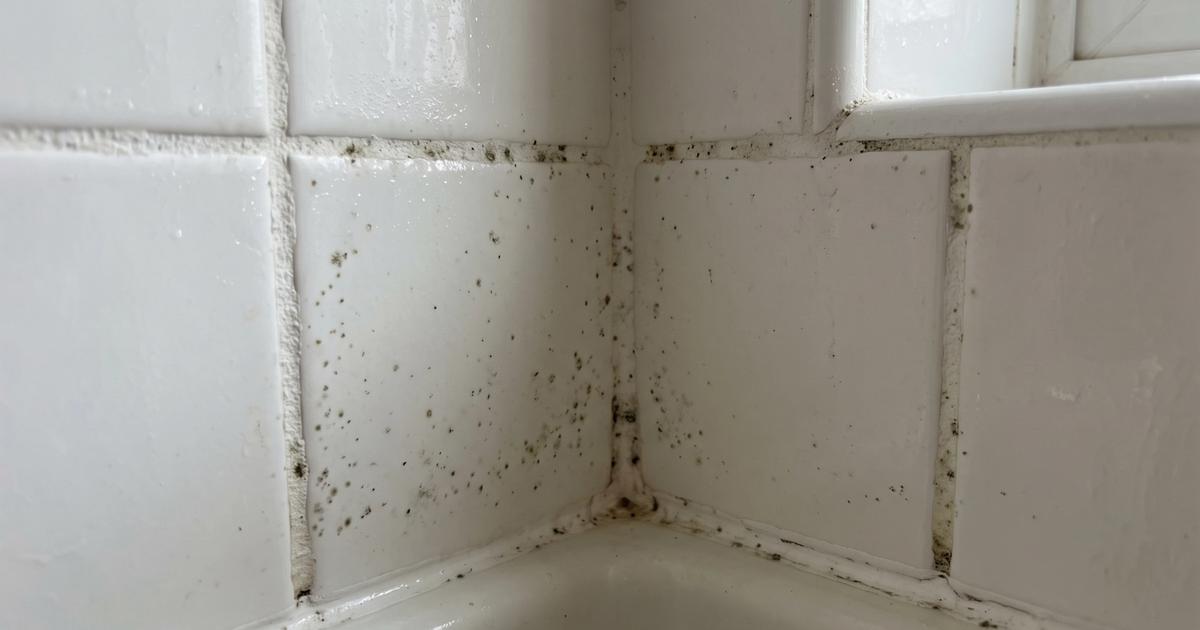
Scrubbing mold with bleach and seeing it come back within two weeks is one of the most frustrating cycles in home maintenance. The mold doesn’t return because the cleaning wasn’t good enough. It returns because the conditions that caused it were never fixed. Once you understand what mold needs to grow, it becomes clear why surface treatment alone never works for long.
What Mold Actually Is And Why It Keeps Growing
The Problem Is Spores, Not Stains
Mold is a fungus that reproduces through microscopic spores floating through the air constantly. Every home has mold spores at all times. They only become a problem when they land somewhere with three things: moisture, a food source like drywall or grout, and warmth. Wiping away visible mold removes surface growth, but spores embedded in porous materials survive and regrow. This is why a wall can look clean right after scrubbing and show mold again within weeks.
Why Bleach Misses The Root
Bleach works well on non-porous surfaces like glass or sealed tile. On porous ones like drywall, grout, wood, and caulk, it can’t penetrate deep enough to reach the fungal roots extending into the material. The water in diluted bleach soaks into the surface and adds temporary moisture, which can actually accelerate regrowth rather than prevent it.
The Two Things That Actually Prevent Mold
Moisture Control Comes First
Every mold prevention approach starts here: reduce moisture. Mold needs relative humidity above roughly 60 percent to grow. Most bathroom mold traces back to two habits. Showers and baths release a lot of humidity into a small space, and that moisture lingers on walls, grout, ceilings, and window frames for hours. Inadequate ventilation keeps it trapped instead of removing it.
Running the bathroom fan during a shower and for at least 30 minutes after removes most of that moisture before it settles. To check whether a fan is actually pulling air, hold a tissue near the grate. A fan that barely moves the tissue is underpowered or blocked and needs cleaning or replacing.
Ventilation Is The Other Half
In rooms beyond the bathroom, opening windows on opposite sides briefly each day drives airflow through spaces where moisture builds silently. Tightly packed wardrobes and closets against exterior walls are common hidden mold spots because air can’t circulate behind the clothes. Leaving a small gap between furniture and exterior walls fixes this directly.
Treating Existing Mold Correctly
The Right Product For The Right Surface
Hydrogen peroxide at three percent penetrates more deeply than bleach on porous surfaces and adds less moisture. Apply it, leave it for ten minutes without scrubbing, then wipe away. On grout, a paste of baking soda and hydrogen peroxide applied with an old toothbrush and left to sit reaches further into the surface than a liquid spray.
Undiluted white vinegar works well on walls and caulk. It kills a broader range of mold species than bleach, needs no rinsing, and leaves mild residual acidity that slows regrowth. The smell goes away within an hour once the surface dries.
When The Material Itself Needs Replacing
If mold has been on drywall, caulk, or grout for more than a few weeks, the roots have gone too deep for any topical treatment to reach. Replacing the material is the only reliable fix. Recaulking a shower takes under an hour and costs very little. Badly stained grout that keeps returning is usually better regrouted than repeatedly treated.
Hidden Mold Spots Most People Miss
Places Beyond The Shower
Grout and caulk are obvious, but mold also grows consistently in places that stay damp without looking wet. The bottom edge of shower curtains, the underside of bathroom mats, the area behind a toilet tank, the seal around the toilet base, and the space under a bathroom sink cabinet all stay damp longer than surfaces that get direct contact with water.
Window frames in rooms with regular condensation are another overlooked area. Mold growing behind condensation on single-glazed windows often spreads into the surrounding wall before it becomes visible. Wiping frames dry in cold months removes the moisture mold needs to establish itself there.
The Washing Machine Problem
Front-loading washing machines develop mold inside the rubber door gasket where water pools after every cycle. Wiping the gasket dry after each wash and leaving the door slightly open between uses removes the moisture mold needs. A monthly empty hot cycle with oxygen bleach cleans what drying alone can’t reach.
My Honest Take On Dealing With Mold
The first time I dealt with a mold problem that kept coming back, I spent a whole afternoon scrubbing and thought I had fixed it. Three weeks later it was back in the same spots. A friend pointed out that my bathroom fan barely worked and that I was closing the bathroom door right after showering, trapping all the steam inside. Fixing the ventilation actually solved the problem, not the cleaning products I had been trying. Mold taught me the same thing good plumbing does: if something keeps failing in the same spot, the problem is almost always the conditions, not the repair.
Final Thoughts
Mold is a moisture problem wearing a fungus costume. Treating the visible surface without changing humidity and airflow is always temporary. Fixing ventilation, controlling moisture at the source, using the right product for the surface, and replacing compromised materials are the steps that end the cycle rather than just delay it.
Frequently Asked Questions
Does bleach kill mold permanently?
On sealed, non-porous surfaces, yes. On porous materials like grout, drywall, and caulk, bleach cannot penetrate deep enough to reach the roots, so regrowth typically follows.
How long does mold take to grow back after cleaning?
On an untreated porous surface in a humid environment, visible regrowth can appear within one to three weeks. Whether mold returns depends on whether the moisture source was fixed, not on the cleaning product used.
Is vinegar or bleach better for mold?
Vinegar penetrates porous surfaces better and kills a broader range of mold species. Bleach is more effective on hard sealed surfaces and for whitening visually stained grout.
Can mold inside walls spread to the rest of the house?
Yes. Mold inside walls releases spores into the air that can colonize other moist surfaces elsewhere. A persistent musty smell in a room with no visible mold is often a sign of mold inside the wall or ceiling.
When should mold be treated professionally?
When mold covers more than roughly ten square feet, has penetrated structural materials like wood framing or insulation, or when anyone in the home has respiratory symptoms that improve when they leave.