Lifestyle
Should You Really Rinse Dishes Before Loading The Dishwasher
Written by Fatima Batool
September 3, 2026
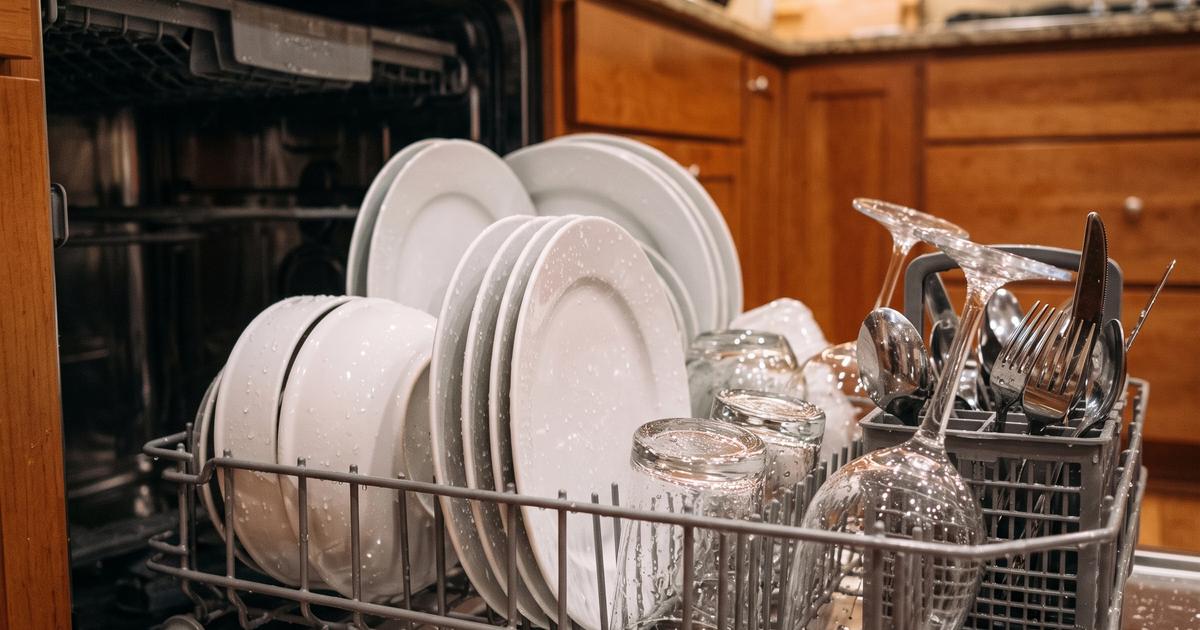
Rinsing dishes before putting them in the dishwasher might seem like a no-brainer, but it can actually disrupt the dishwasher's performance. Once you know about the wash cycle, you know why.
How a Dishwasher Actually Cleans
A small basin is filled with water heated to about 60 degrees Celsius, and a pre-wash cycle is started by a dishwasher. This water is circulated under pressure through spray arms fitted with angled spray nozzles that spin as it is ejected. The water then refills the basin, and in most modern machines, a turbidity sensor in the water measures how dirty the water is and how much light passes through it. The dishwasher adjusts the wash time and water temperature based on the reading it makes before it enters the main wash cycle of the dishwasher and releases the detergent and circulates the dirty water. This water then flows away and is used to rinse off further with clean water at a temperature of over 68 degrees Celsius, sufficient to kill most of the bacteria that cause food poisoning, at least 10 degrees hotter than a standard kitchen tap.
Why Rinsing Beforehand Can Backfire
The important factor is the turbidity sensor. It is based on the amount of soiled water throughout the pre-wash cycle, which determines the intensity of the wash. A clean dish before loading will have minimal dirt measured by the sensor and will start a shorter and less powerful wash cycle. The shorter cycle might not provide adequate time or heat for the stubborn stuck-on food to be broken down if it was not removed during the initial rinsing. Basically, pre-rinsing can fool the machine into washing the dishes lighter than they deserve.
Kitchen safety has similar counterintuitive rules, as explained in Why Raw Cookie Dough Is Riskier Than Most People Think.
What You Should Do Instead
Scraping dishes away to get rid of big food bits still makes sense because the dishwasher detergent enzymes are meant to attach to and break down the food, not to be removed. The opposite problem occurs when the filter of the dishwasher becomes dirty: If the filter picks up more dirt than needed, the turbidity sensor might indicate more dirt than there is, which allows the dishwasher to run unnecessarily long cycles. A clean filter will allow the sensor to accurately read conditions.
Detergent Type Affects Results Too
Surfactants are molecules that bind contaminants like food and food particles on one end and attract water on the other, which is what dishwasher detergents use to remove the food. Generally, detergents contain microorganisms called enzymes which break down food into smaller digestible components and bleach which kills bacteria and removes stains in addition to the surfactant. Liquid detergents may only contain one of the two enzymes or bleach because mixing them in the liquid state causes the enzymes to be destroyed by bleach. Powder detergents prevent this by providing an enveloping wax layer around the enzymes to allow them to work with the bleach. Detergent pods take it one step further by separating the components in the plastic film until the washing cycle starts when the enzymes and the bleach do not degrade one another.
Water and Energy Considerations
A dishwasher recycles the water in its cycle, to the tune of 3 to 5 gallons, which is the equivalent of washing the dishes under a running kitchen faucet for about 2 1/2 minutes. If the full-load handwashing would take longer than that, then running the dishwasher will save more water. Then again, a regular dishwasher cycle is equivalent to how much energy a TV consumes in 12 hours, so keep that in mind when washing fewer dishes.
When Handwashing Still Makes Sense
The water temperature of dishwashers is too hot to safely put in travel mugs or storage containers and can cause warping in wood and some plastics. Dishwasher detergent can also dull sharp knives or harm the dishwasher in the long run. These are products for which handwashing is a more practical option, and for when energy use is more important than water savings, handwashing is more suitable for smaller loads.