Lifestyle
What Rubbing Alcohol Actually Cleans Better Than Dedicated Products
Written by Fatima Batool
October 18, 2026
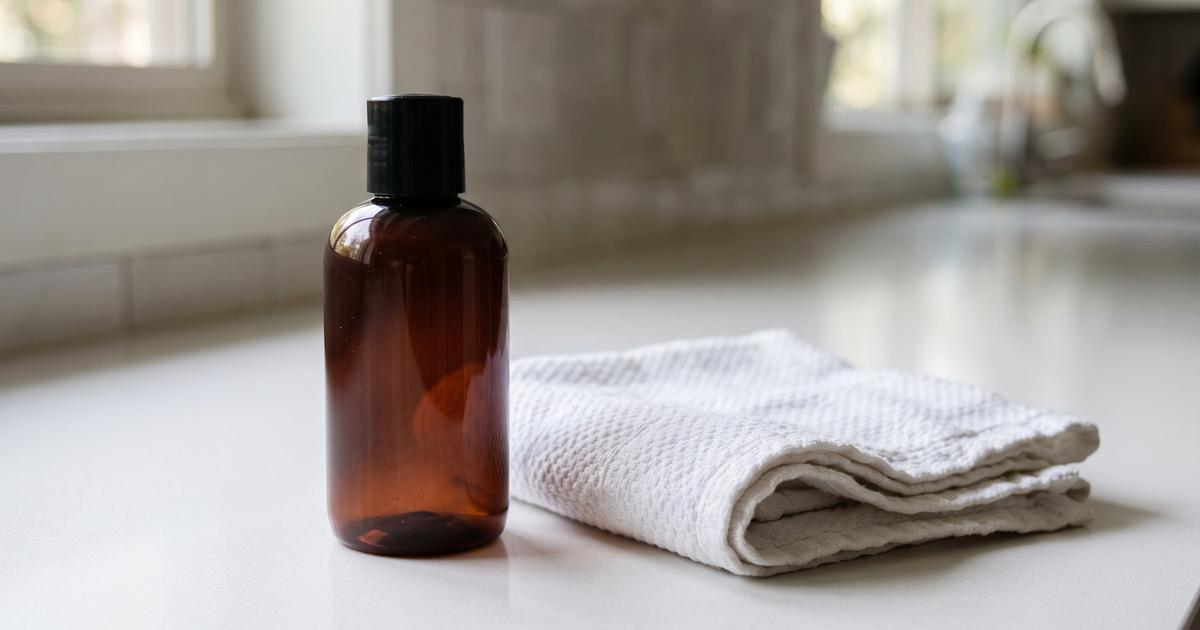
Rubbing alcohol sits in most medicine cabinets and gets used for one thing: cleaning a cut before putting on a bandage. It turns out to be one of the most versatile cleaning products in a home, handling everything from sticky residue and cloudy mirrors to permanent marker stains and stainless steel smears. Most dedicated cleaning products for these same jobs cost more, take longer, and work less reliably.
Removing Sticky Residue From Any Surface
Why Alcohol Works When Soap Doesn’t
Price tag glue, sticker residue, tape marks, and leftover adhesive are notoriously resistant to soap and water because adhesive isn’t water soluble. Isopropyl alcohol dissolves most adhesive compounds directly. Apply it to a cloth instead of spraying it on the surface, press the cloth against the residue for thirty seconds to let the alcohol penetrate, then wipe away. On glass, chrome, and hard plastic, the surface comes away completely clean without scratching.
Which Surfaces To Avoid
Alcohol damages some finishes and materials on contact. Avoid it on lacquered or shellac-finished wood since it dissolves those coatings. Acetate fabrics, leather, and some painted surfaces can also be affected. Testing a small hidden area first confirms the surface is safe.
Cleaning And Disinfecting A Phone Screen
The Correct Way To Do It
Phone screens carry more bacteria per square inch than most household surfaces, and many screen cleaning sprays contain additives that can affect screen coatings over time. A cloth lightly dampened with 70 percent rubbing alcohol cleans fingerprints and disinfects in one pass. The 70 percent concentration matters because higher concentrations like 99 percent evaporate too quickly to kill bacteria effectively and can affect oleophobic coatings with repeated use.
Cleaning The Case And Ports
Silicone cases, hard cases, and charging ports respond well to the same approach. A toothpick wrapped in a small piece of alcohol-dampened cloth cleans port openings without pushing debris further inside.
Getting A Streak Free Mirror And Glass Finish
Why Alcohol Outperforms Glass Cleaner
Many commercial glass cleaners leave a film on mirrors because they contain surfactants and fragrances that don’t fully evaporate. Rubbing alcohol mixed with water at roughly one part alcohol to three parts water, applied with a microfiber cloth, leaves glass completely clear. The alcohol evaporates quickly and leaves nothing behind. For bathroom mirrors that fog after showers, wiping with this mixture and buffing dry creates a temporary anti-fog effect that lasts several days.
Removing Permanent Marker And Ink
From Hard Surfaces
Permanent marker on a whiteboard, countertop, tile, or hard floor responds well to rubbing alcohol on a cotton pad. Let it sit for a few seconds to break down the solvent-based ink, then wipe in one direction rather than scrubbing, which spreads the ink. A second application removes any remaining color.
From Fabric
For fabric, place a clean white cloth under the stain so the ink transfers downward rather than spreading. Apply alcohol directly from above and blot, never rub. Replace the cloth underneath as it picks up ink and continue blotting. Wash the fabric immediately after to remove any remaining residue.
Cleaning Stainless Steel Appliances Without Streaks
Better Than Dedicated Stainless Steel Cleaners
Most stainless steel cleaners apply an oil-based coat that temporarily hides fingerprints but then attracts more. Rubbing alcohol removes fingerprints, grease, and smears at the chemical level, leaving the surface genuinely clean rather than coated. Apply with a cloth and wipe in the direction of the grain, which runs horizontally on most appliances.
Refreshing And Disinfecting Fabric
Removing Odors From Clothes And Upholstery
Rubbing alcohol neutralizes odors rather than masking them. Diluted to roughly 50 percent with water in a spray bottle, it can be misted lightly onto clothes, mattresses, sofas, and car upholstery and left to air dry. It kills odor-causing bacteria without leaving residue or changing fabric texture.
A Note On Colored Fabrics
Test on a hidden seam before using on bright or dark fabrics since some dyes can be affected. White and light fabrics are generally safe without testing.
Cleaning Shoe Soles And White Sneakers
Rubber Soles And Midsoles
Rubbing alcohol on an old toothbrush breaks down the compounds in road grime on rubber soles that soap and water struggle to remove. For white midsoles that have yellowed, a paste of baking soda mixed with a small amount of rubbing alcohol applied and left for ten minutes before scrubbing brightens them visibly.
My Honest Take On This Product
I bought a dedicated stainless steel cleaner, a screen spray, a fabric refresher, and a mirror cleaner all within a few months of moving into a new place. Eventually I realized all four could be replaced by a single large bottle of rubbing alcohol at a fraction of the combined price. The stainless steel cleaner was the clearest waste, since it just moved the grease around under a thin oil layer. Switching to alcohol actually cleaned the surface instead of just making it temporarily shiny.
Final Thoughts
Rubbing alcohol handles a wide range of problems through direct chemistry rather than masking them. Adhesive, bacteria, ink, odor, and grease all respond to it reliably. A spray bottle diluted to 70 percent for general use and a stronger concentration for stubborn adhesive covers most situations at less cost than any single dedicated product it replaces.
Frequently Asked Questions
What concentration is best for cleaning?
70 percent is the most versatile. It kills bacteria more effectively than higher concentrations because it evaporates more slowly, giving more contact time with the surface.
Can rubbing alcohol be used on wood furniture?
Only on sealed or polyurethane-finished wood. It dissolves lacquer, shellac, and some varnishes on contact, so testing first is essential.
Does it damage phone screens?
70 percent used occasionally with a cloth is safe for most modern screens. Avoid concentrations above 70 percent regularly, as these can degrade the oleophobic coating over time.
Is it safe around children and pets?
Safe on surfaces once fully dry. Keep them away during application and until the surface is completely dry.
Can it replace disinfectant spray?
For hard non-porous surfaces, yes. 70 percent isopropyl alcohol kills most bacteria and many viruses on contact.