General
Twin Facts That Sound Fake But Are Completely Real
Written by Fatima Batool
October 5, 2026
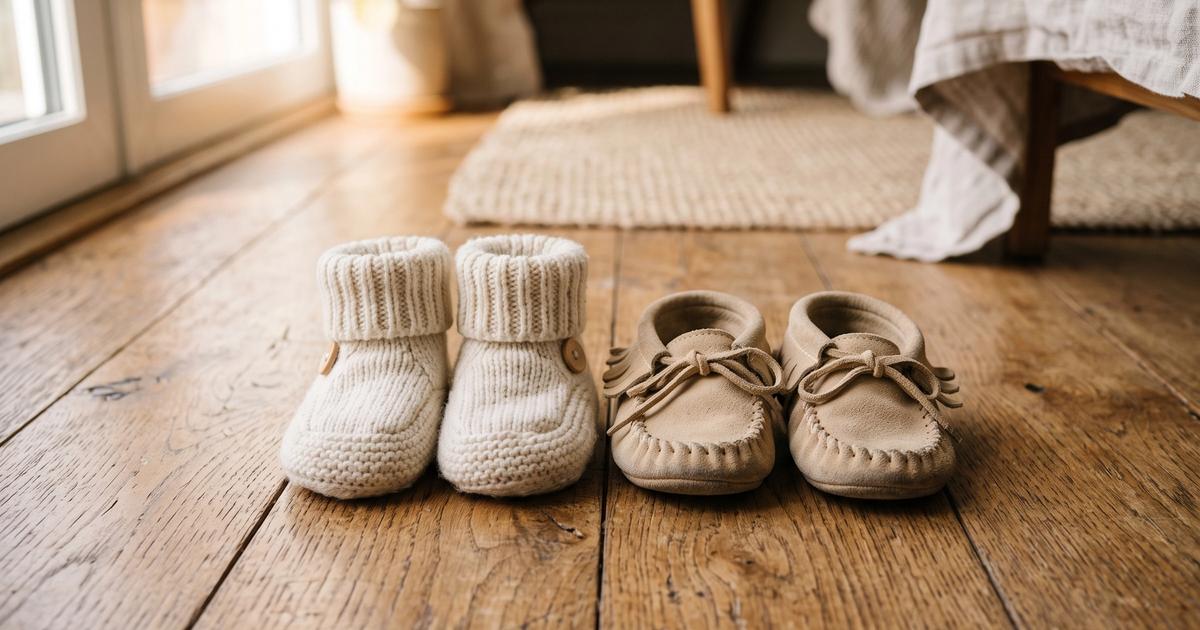
Twins have been studied for years, and the research keeps finding details that seem too strange to believe. From fingerprints that never match even though the DNA is the same to twins who end up as different sexes, these seven facts are all real and proven, not made-up stories.
Identical Twins Never Have Matching Fingerprints
Why DNA Doesn't Control This
Identical twins have almost the same genetic code, but their fingerprints are always different. Fingerprints do not come from genetic instructions. They form during the time the baby grows in the womb based on the pressure, position and movement of the baby. These physical factors change between twins sharing the same womb at the same time.
A Detail That Has Mattered In Real Court Cases
This difference has had legal effects. In some cases one twin tried to blame the other. DNA evidence was not helpful because identical twins have the same DNA results. Fingerprints, however, were different enough to show the two people apart.
The Rate Of Identical Twins Never Changes Anywhere
A Strange Kind Of Biological Consistency
The rate of fraternal twins changes a lot depending on genes, the age of the mother and fertility treatments. It also differs between groups and countries. Identical twins are completely different. Their rate is 1 in 285 births, and this number stays the same across every group that has ever been studied, no matter the race, country or family background.
Why It Doesn't Run In Families
Having a parent, sibling or grandparent who had identical twins does not make it more likely that someone will have identical twins themselves. The split that creates them seems to be a random event during early development. It happens at the same rate no matter who you are or where you live.
The human body produces plenty of its own surprises, as we covered in Weird Human Body And Mind Facts.
Identical Twins Can Be Born As Different Sexes
How Turner Syndrome Mosaicism Changes the Outcome
Identical twins come from one fertilised egg and usually have the same sex except in very rare cases involving a condition called Turner syndrome mosaicism. During cell division one twin can lose a Y chromosome. The twin that keeps it becomes a boy, while the twin that loses it has an X chromosome instead of the usual XX or XY. This leads to being a girl.
A Brother and Sister Who Are Still Technically Twins
The result is a brother and sister who meet all the technical definitions of identical twins, but they developed into different sexes because of a single loss of a chromosome that happened very early after fertilisation. This is one of the clearest examples of how biological sex, while usually simple, can diverge from genetics in ways that don't fit easy categories.
Identical Twins Don't Actually Stay Genetically Identical
Mutations Begin Immediately
The term "identical twins" suggests that two people from the same egg share the same DNA forever. That is only true at the moment the egg splits. After that, each twin starts to accumulate their own genetic mutations, which happen randomly during cell division. These changes happen differently in each twin from that point on.
Why This Matters For Disease And Research
Studies have found that by the time they're adults, identical twins can have hundreds of these small differences. This helps explain why one twin can get a disease and the other never does. This discovery has changed how scientists think about twin studies, since any study that assumes identical twins stay exactly genetically identical over time must now account for this change.
Each Twin Develops a Different Gut Microbiome
Shared DNA, Separate Internal Ecosystems
Even though identical twins share almost the same DNA, they do not share the same gut microbiome. From birth each twin has their own unique group of gut bacteria. These trillions of microorganisms grow on their own even when the twins live in the same house and eat the same food.
Why This Connects To Far More Than Digestion
This is more important than it seems. The gut microbiome has been linked to immune function, health, mood and even thinking through something called the gut brain axis. If gut bacteria really affect personality and mood, and identical twins have different microbiomes from the start, then two people with almost the same genetics are shaped by different biological environments from the very beginning of life.
Living Together Pushes Twins Towards Opposite Personalities
The Psychology Behind Deidentification
Studies show that identical twins often have different personalities. One might be more outgoing, the other more quiet. One might be competitive, the other more cautious. Psychologists call this deidentification, a need to be different when sharing almost everything with someone else.
Why Twins Raised Together Differ More Than Twins Raised Apart
The surprising part is that twins who grow up together show greater personality differences than twins who are separated and raised in different homes. The need to feel like an individual person is strong enough to push twins who live together toward opposite ends of personality traits instead of making them more similar.
About One In Eight Pregnancies Begin As Twins
The Hidden Statistic Behind Vanishing Twin Syndrome
It is estimated that one in eight pregnancies starts with two embryos, but only about one in 70 actually results in a twin birth. The difference happens because of a condition called vanishing twin syndrome. One embryo stops growing and is reabsorbed, either by the mother's body or sometimes by the other twin.
Why Most People Never Know
This usually happens in the first three months of pregnancy, often before the second embryo would even be seen on an ultrasound. It does not harm the baby that stays and leaves no sign behind. The implication is surprising: many people today may have started life as a twin and never knew it.
A Personal Take On These Facts
The fact about fingerprints surprised me the most because I always thought identical twins were like copies in every way. Learning that something so small as how the baby moves in the womb creates a permanent unique pattern made me think differently. It made me realise how much of who we are comes from tiny, almost random physical details instead of just genetics. It is a reminder that even with the same starting point, two lives can go in different directions from the very beginning. That feels oddly comforting when thinking about individuality, whether you are a twin or not.
Why These Facts Matter
Each of these examples shows that sharing DNA does not mean sharing the same outcomes. Twins remain one of the best ways for scientists to study how much of a person is shaped by chance, environment and growing up, not just DNA. The difference between being genetically identical and being the same person turns out to be bigger than most people think.