General
Why The Best Schools Are Rethinking The Line Between Play And Learning
September 8, 2026
The Prussian government prohibited the use of kindergarten in 1851, fearing that children would be taught to be disobedient through the kindergarten curriculum, which included open play, gardening and singing. The Prussian system it superseded, in which supervised classrooms were carefully divided into distinct learning and play spaces, spread to other public school systems, too. The notion of learning and play as separate entities is a relatively new one, however. The child generally acquired knowledge and skills through observation and imitation, by investigating and exploring the world, and by communicating with others about what they learned.
Montessori Uses Toys As Precision Teaching Tools
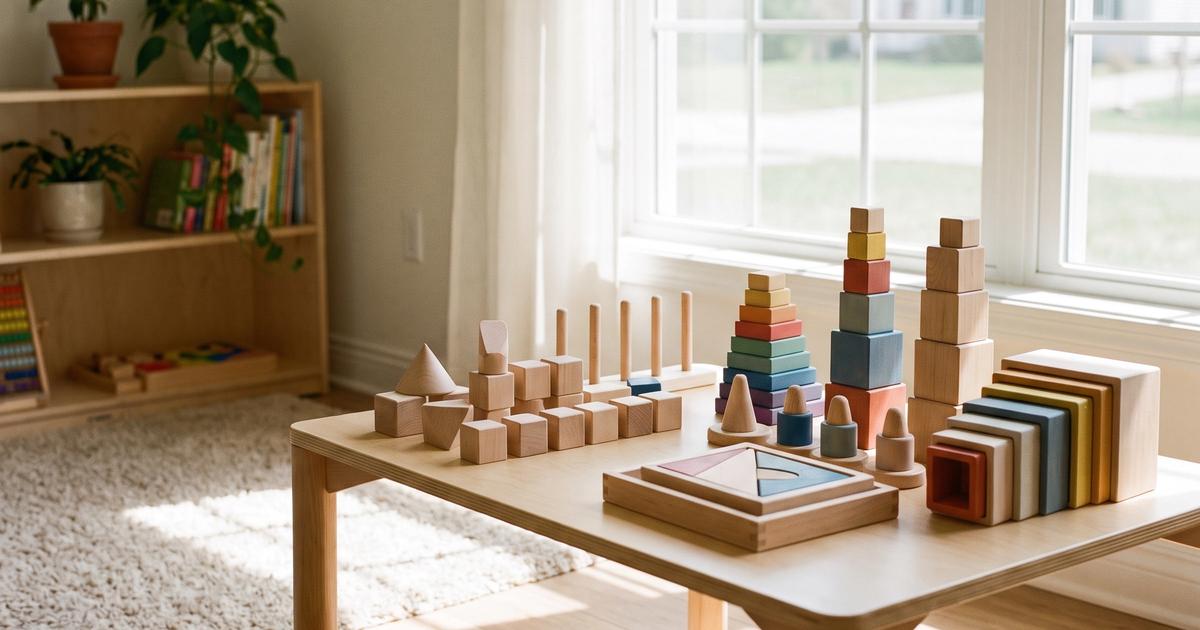
Toy-based learning continues in Montessori schools, as kindergarten's founder intended. The materials that Montessori refers to are constructed to be used in isolation for the learning of one concept. Toddlers play with dimension through the use of thick wooden cylinders and are moved to the pink blocks that can be stacked to develop spatial reasoning. Older children are learning about height using a set of brown stairs and length and balance using red rods. Teachers pose open-ended questions to this exploration, and mixed-age groups with low teacher-to-child ratios help children feel free to learn from one another.
Reggio Emilia Puts Students In Charge Of Direction
Sensory materials are used collaboratively in Reggio Emilia classrooms, and the characteristic is the degree of control the student has over what he or she explores. Although sometimes teachers give formal projects, they usually begin with an open-ended question, for example, "How can a model ship float?," and proceed to create the project around the students' own assumptions and interests, integrating the required curriculum into the process.
Addressing the Obvious Concern
One complaint about self-directed learning is that kids will avoid subjects that they don't find engaging and will end up not learning what they didn't want to learn. Of these, many take an interdisciplinary approach without strict subject separation. Project-based laboratory schools, for instance, might start the day with a maths puzzle, then take the numbers from that puzzle to make music or create 3D art, demonstrating the application of the same maths concept in more than one way.
What the Research Actually Shows
In 2023, over 30 different studies were analysed, with the conclusion that Montessori education was effective in language learning and maths skills, as well as in creativity and social skills. It is not only early childhood that is affected. Many universities are moving away from the traditional lecture-based courses and turning to more extended, in-depth, and participatory projects. In the Lifelong Kindergarten project at MIT, the same model of play and creativity is applied to children of all ages, and some of the architecture and engineering students apply the same physical design toys that were first developed for kindergarten to help develop spatial reasoning skills that apply to their own professional work.
The Real Tradeoff
All of these are not easy to operate. It takes an extraordinary amount of emotional intelligence, time in preparation and trust from the parents and school administration to have the autonomy to adjust to the needs of each child while keeping the structure and safety of the classroom. The evidence indicates for many teachers, there is a cost in return for effort, but it's not a quick solution.