Lifestyle
A Chemical Free Way To Eliminate Mosquitoes Using Larvae Control
September 8, 2026
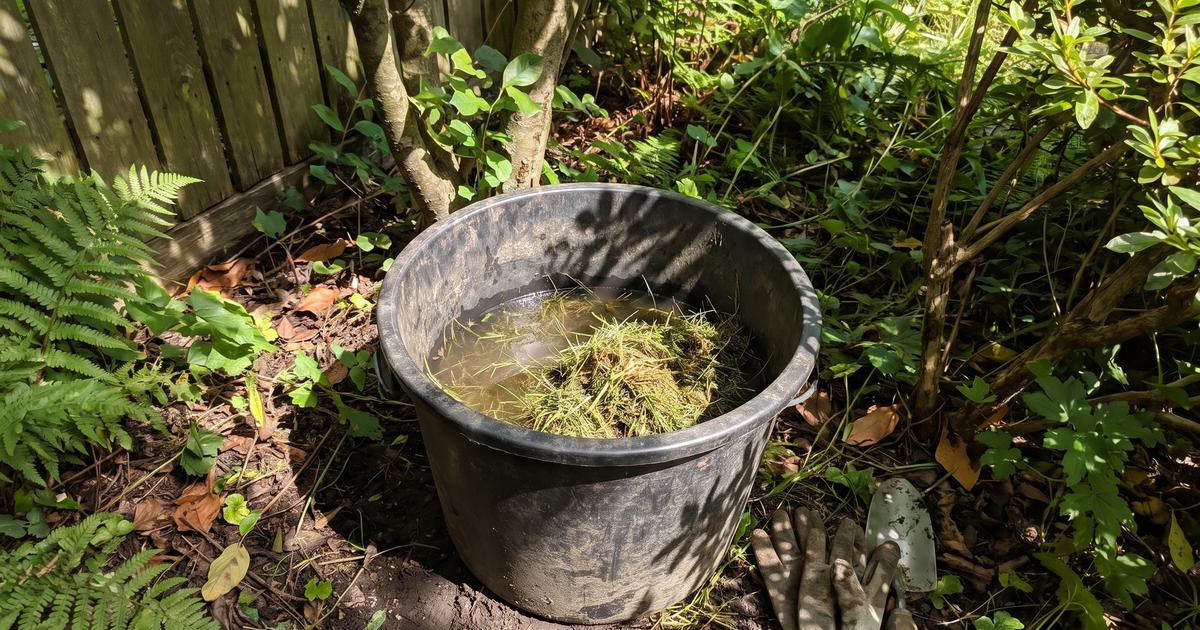
Mosquitoes that have bitten you in your own yard were probably born in the same yard in rainwater that has collected in a half cup of water in a clogged rain gutter. Standing water, if left undisturbed for more than 4 days, becomes a source for mosquito breeding, and a single female mosquito can deposit up to 300 eggs in a quantity of water that can fit in a cupped hand. The principle behind a simple, low-cost larva control method is to treat that water before the eggs hatch so as to prevent the problem from ever occurring.
The Core Ingredient: BTI
A naturally deriving powder, BTI is a specific type of bacteria that kills mosquito larvae, black fly, and fungus gnat larvae but does not affect pets, bees, or wildlife. This is because the toxin is only activated in the specific alkaline gut chemistry found in these larvae and is inert to almost everything else. The World Health Organization has approved the use of BTI even in drinking water reservoirs in malaria-prone areas, indicating the low level of risk and extremely specific nature of this insecticidal technology.
Setting Up A Basic Trap
A 5-gallon bucket, typically half full of water, preferably rainwater, located in an out-of-the-way place, can be an efficient breeding trap. A few grass clippings or dead leaves will enhance the appearance of the water to egg-laying females because the decaying plant material emits chemicals that mosquitoes consider good breeding grounds. Sprinkle one heaping spoonful of BTI granules on the surface; no stirring is required, and it will work for 2-4 weeks after hatching, killing any larvae that hatch during that time. By positioning a few of these buckets around various sides of a home, away from where people sit, the egg-laying mosquitoes will be attracted to the traps and not to the home.
Upgrading The Trap To Catch Adults Too
If a small device is added to the bucket that drops a combination of active yeast and sugar every now and again, the CO₂ will be produced, just as it is when a person exhales the same combination of ingredients. If a little device is placed in the bucket that produces a combination of active yeast and sugar periodically, the CO₂ will be produced, just as if a person were breathing out the same combination. This will essentially cause the adult mosquitoes to be attracted to the bucket, rather than to nearby people, and to fly in within about 50 feet of the trap. Mosquitoes that land are unable to escape from the water due to the removal of the water's surface tension by adding a small amount of dish soap.
Draining Standing Water Is Still the Foundation
Traps only catch water that you go out and look for. Any standing water around a property, flowerpot saucers, clogged gutters, and tarps with pooled rainwater are breeding sources until emptied regularly. Regularly walking around the outside of a property each week and emptying any standing water will disrupt the breeding cycle at its source. If left undisturbed, one female mosquito's 300 eggs can lead to hundreds more mosquitoes in 2 weeks, so emptying the container weekly will end the cycle.
Why This Outperforms Chemical Fogging
Fogging trucks provide control of adult mosquitoes and any beneficial insects that are in the area when the fog is drifting over, but not any other time. If breeding places are not disturbed, new mosquitoes will emerge days after the initial emergence and quickly replenish the population. There is a different approach to source reduction, one that works by draining and larvicide—which works by destroying the next generation before it comes into existence, as opposed to killing the adult generation over and over.
Handling Water That Can't Be Drained
If gutters or other low-lying areas that will not be easily emptied are present, mosquito dunks, a compressed ring form of the same BTI treatment, can be dropped in standing water and remain effective for approximately 30 days and cover approximately 100 sq. ft.
A Simple Airflow Trick For Outdoor Areas
Mosquitoes are not strong fliers and are not able to fly against light-moving air. Mosquito control associations suggest using a small fan near people sitting outdoors to provide sufficient air movement to prevent mosquitoes from approaching.
Putting It Together
These are not all of these methods that need to be applied simultaneously. Weekly draining of standing water is free and provides the greatest benefit at the least effort. Adding BTI buckets is for water that cannot be drained. A fan manages the immediate space where individuals really sit. Together, all of these measures will help control mosquitoes throughout the growing cycle, rather than just for a short time after chemical spraying.