Lifestyle
The Japanese Trick That Gets A BBQ Grill Spotless Without Chemicals
September 20, 2026
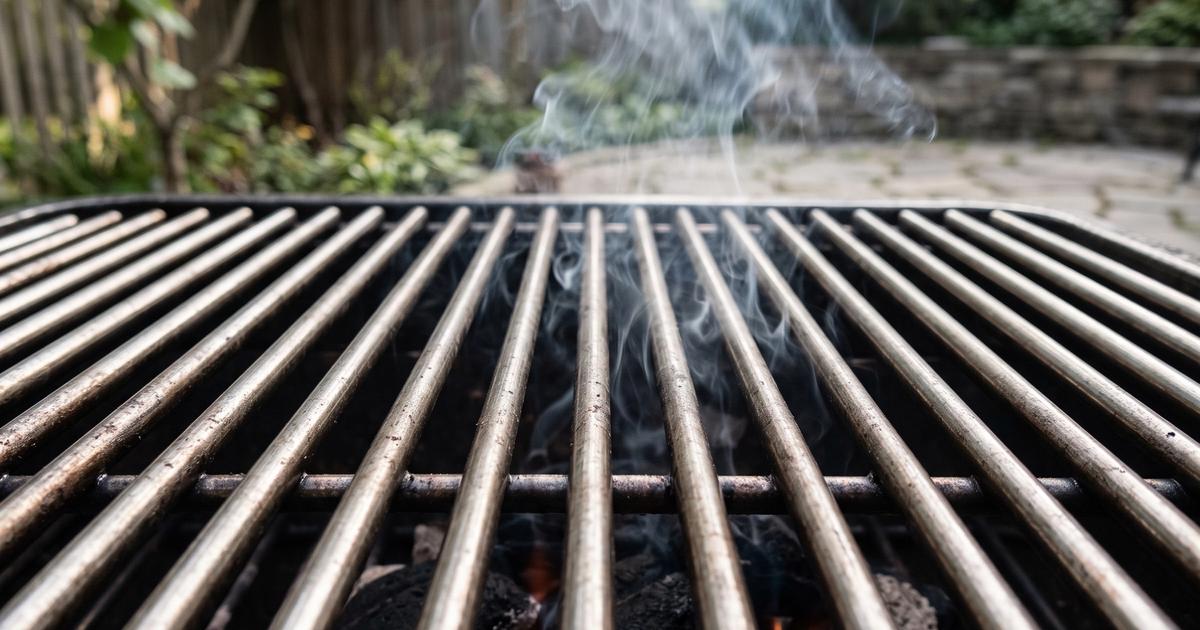
You've done it all. Brush until it hurts in your shoulder. Chemical degreaser soaked overnight. The burners were turned on for an hour, in hope the black crust would simply burn off. It appears better for a couple of minutes, and then the black reappears. For decades, home cooks in Japan have kept their grills clean with water, heat, and one item that is already in their pantry.
If you want to prevent it, you first need to remove what is already on your grill. The black crust needs to come out first.
What That Black Crust Actually Is
It is not dirt, that crust. Fat and oil will polymerize when they come in contact with hot metal in the presence of oxygen. The reaction speeds up with increasing temperature and is very fast at temperatures above 200°C, which is very common for grilling temperature. The fat molecules link together into a hard cross-linked polymer, similar to the process that causes linseed oil to harden on wood. This is why there's no such thing as a single win in scrubbing. You aren't cleaning up food. You are attempting to remove a coating that has become part of the surface.
It's impossible for a wire brush to get into the pores where the polymer is fused. What it can do is shed, with bristles snapping off and ending up in food, sending people to emergency rooms every year. A chemical degreaser will remove soft, fresh grease from a cool surface, but it will not break the polymer bond at room temperature, regardless of how long the grease is soaked. The soft top layer is removed, but the welded base layer remains in place.
Why Oven Cleaner Is A Bad Shortcut
Surprisingly, some people advise using oven cleaner on cold grates, often sealed in a garbage bag overnight. Over time it will consume some carbon, but sodium hydroxide is corrosive and will burn skin, can damage porcelain or chrome finishes, and will create a residue that needs to be washed out of every crevice before the grill can be safely used to cook. Most people don't rinse sufficiently. Skip it. The same effect can be achieved with heat and baking soda without the damage.
The Rescue Method For A Neglected Grate
Cover and preheat the grill to high for 15 minutes until it reaches above 280°C. This fuses the polymer coating and makes it brittle, cracking a welded glaze into flakes of ash.
While that runs, mix baking soda and water in a 3:1 ratio so the paste sticks to a vertical surface without running off. The mild alkaline in baking soda dissolves the grease, loosening the residue and letting water wash it away.
Allow the grates to cool enough to touch, apply the paste, and let it sit for 5 minutes to work the alkaline into the charred film. Next, pick up a piece of crumpled aluminum foil, dip it in warm water, and pass it over the bars. The carbon bond is already broken, so it doesn't resist, it just flakes off. The foil conforms to the bars and reaches grooves a flat brush skates right past. If buildup has accumulated over years, one round may not remove the deepest layer. Repeat heat, paste, wait, foil, rinse two or three times, and even the worst of it comes off.
The Daily Habit That Prevents It Coming Back
In a traditional Japanese kitchen, every work surface is treated while still warm. Once the grill is hot, wipe the grates once with a damp, folded cloth held in tongs. The moisture turns to steam, and the fresh grease, still soft and not yet polymerized, slides off easily. Then wipe the bars with a lightly oiled paper towel. This thin film plugs the pores, so the next round of grease lands on the oil instead of bare steel. Buildup never gets the chance to become permanent: hot wipe, light oil, close the lid, under 2 minutes total.
The timing matters: right after taking food off the heat, before turning off the burners. After an hour, the fat starts polymerizing again, and a 10-second job becomes a paste and foil afternoon.
Use a neutral, high smoke point oil, such as grapeseed, canola, or refined rice bran. Steer clear of olive oil and butter, which smoke too quickly and leave residue. A teaspoon on the paper towel is enough. The aim is a sheen, not a coat.
What To Do With Stubborn Spots
Don't treat a patch as a failure if it recurs after a couple of treatments, it's just years of carbon that went deep. Treat it every cookout, and each time it removes another tiny layer until, by the third or fourth time, it's gone.
What This Actually Saves You
Baking soda costs about a dollar for a season's worth of use, with foil and a cotton cloth rounding out the supplies. Compare that to a degreaser costing 8 to 12 dollars used several times a year, and a replacement grate costing 60 to 150 dollars once a wire brush strips the coating.
Time is the bigger expense. A neglected grate consumes a full Saturday two or three times a season. When this method only takes two minutes a night over an entire summer, it's worth the trade.
A Simple Routine To Start This Week
Run the rescue once: high heat, paste, 5-minute wait, foil, rinse. Repeat next week if necessary. After that, always do the hot wipe, then the oiled paper towel, and close the lid when you cook. Check the grate once a month and do a quick cleanup if anything has crept back.
This isn't really about a grill. It's not a fight-or-flight mentality, it's a prevention and maintenance mentality. Wiping a film of soft fat at the right second is a 2-second task. The same fat left for three months turns into a chemical problem, a money and worry problem. It just requires a damp cloth, a bit of oil, and the constant care a Japanese home cook would deem absolutely normal.