Lifestyle
The Japanese Soil Method That Fixes Lawn Problems Without Chemical Fertilizer
September 18, 2026
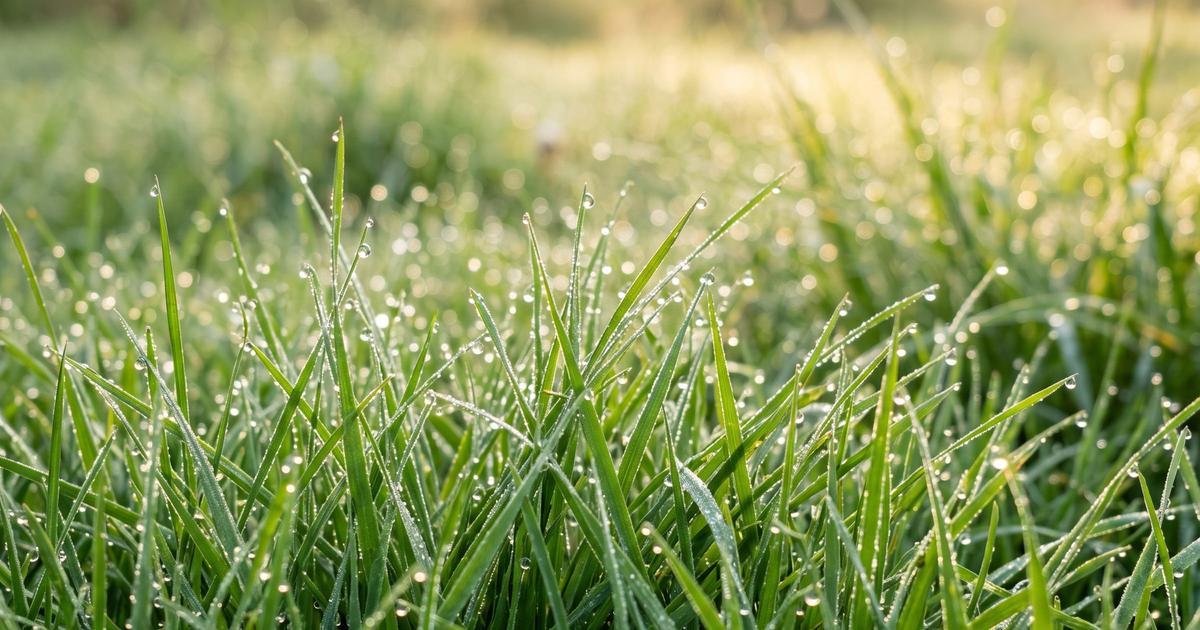
American lawn care treats problems one at a time. A bag of fertilizer for grass. A weed killer for dandelions. A grub treatment for patches. Each problem gets its solution. There is a different way, based on traditional Japanese gardening ideas. That way, it sees all these issues as signs of one problem: soil that has been worn out by too much use of synthetic chemicals.
Brown Patches Are Usually A Fungus, Not Drought
Circular brown dead spots in summer are often caused by a fungus called Rhizoctonia solani, known as brown patch. This fungus spreads when grass stays wet for periods, especially from watering in the evening. Changing to morning watering helps grass blades dry by midday, which removes the fungal conditions. Spreading cornmeal over affected areas, about one pound per 100 square feet, adds a helpful fungus called Trichoderma. It competes with the patch fungus. This method has been studied by Texas A&M research and usually shows improvement in two to three weeks. The total cost for this approach is $10.
Weeds Fill Gaps In Thin Grass, Not Healthy Lawns
Weeds take hold where grass coverage is weak and doesn't compete well for space and sunlight. They don't invade strong lawns. Preventing weeds means overseeding in fall, the only time grass seed reliably grows in most American climates, using two to three times the normal bag rate. This makes the lawn dense enough that weed seeds have no chance to start. Existing weeds can be pulled by hand the morning after rain, when the soil is soft and you can remove the root without leaving parts behind.
Bare Spots Usually Mean Compacted Soil, Not Lack Of Seed
Persistent bare patches near areas like gates or sidewalks aren't caused by poor seeding. They happen because years of foot traffic compress the soil so tightly that grass roots can't push through. Fixing this means using a tined garden fork to poke holes into the soil every six inches. Then add a quarter-inch layer of compost. Overseed in the fall. With this process, roots get the space they need to grow. Most bare spots fill in within one growing season.
Grub Damage Reflects A Missing Predator, Not A Pest Problem To Poison
White grubs eating lawn roots are usually the larvae of Japanese beetles. Despite the name, they're not an issue in Japan. There the soil supports a balance of beneficial nematodes, parasitic wasps, and ground beetles. These keep grub numbers low. In America, decades of chemical use have wiped out many of these helpful creatures. Without them, grubs multiply unchecked. Instead of using poison, apply beneficial nematodes, tiny predatory worms sold at most garden centers for about $25. They restore control without harming earthworms or soil fungi. Standard chemical treatments also kill beneficial organisms like earthworms for two to three years, creating a cycle where more chemicals are needed each year.
Standing Water Usually Means Compacted Subsoil
Areas that stay soggy, often near downspouts or low spots, are often caused by a hard clay layer beneath good topsoil. Drilling four-inch holes three feet apart across the wet area and filling them with gravel creates vertical drainage paths. Water flows through the compacted layer instead of pooling on top of it. This fixes the problem at a fraction of the cost of drainage systems.
Dog Spots Come From Concentrated Nitrogen, Not Damage
Yellow burn marks where a dog urinates result from levels of nitrogen and salt that grass can't handle quickly. Diluting the area with water right after urination stops the burning. Reseed damaged spots with ryegrass. It handles those conditions better than regular lawn grasses, reducing future damage.
Yellow Grass Is Usually An Iron Deficiency, Not A Nitrogen Problem
Grass that stays pale or yellow with regular fertilizing often lacks iron, not nitrogen. Iron is necessary to make chlorophyll, the pigment that gives grass its color. Many lawns suffer from low iron while getting too much nitrogen. Applying an iron supplement as a diluted spray usually brings deeper green color back within 48 hours.
Why Standard Fertilizer Programs Create Dependency
Synthetic fertilizers give green growth but don't build strong root systems. Grass becomes dependent on repeated applications. Over time the salts in these products harm the soil's microbiome, the bacteria, fungi, and earthworms that create fertility naturally. As a result, more product is needed each year just to maintain the same level of health.
Building Soil Instead Of Feeding Grass Directly
The main idea from Japanese gardening is tsuchi-zukuri, or soil making. Instead of focusing only on the grass, the focus shifts to building the soil itself. This includes mowing between three and a half to four inches, which encourages deeper roots, shades out weeds, and holds moisture better. Water less often, about once a week to six inches deep, so roots grow downward instead of staying shallow and vulnerable. Leave grass clippings on the lawn after mowing. They return nitrogen to the soil each year instead of being thrown away.
A Simple Seasonal Schedule
The full annual plan has three tasks: a compost top dressing in mid-spring, aeration with a garden fork in late spring, and overseeding at double the usual rate in early September. For areas where grass struggles to grow, consider planting moss instead. It needs little maintenance and thrives in low light where grass usually fails no matter how much effort is made.
Realistic Expectations And Cost
Lawns that have used fertilizers for ten years or more usually take two to three growing seasons to fully adjust to this soil-based method. The first year may look worse before things improve steadily. Total yearly cost for this method, including nematodes, cornmeal, compost, seed, and iron supplement, is $125. That's lower than average American lawn care spending. Importantly, it builds soil health that improves over time rather than breaking down.