Lifestyle
Six Japanese Freezer Habits That Cut Food Waste And Keep Meals Fresh
Written by Fatima Batool
August 28, 2026
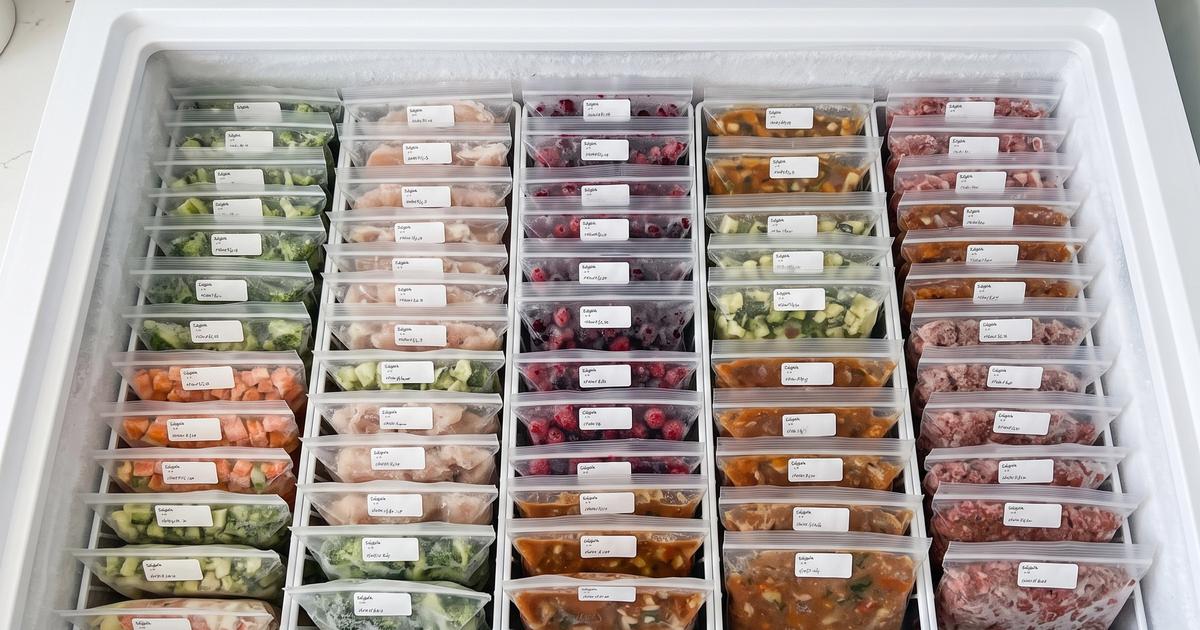
Poor appliances and inadequate space are not usually the cause of most freezer waste. It is due to the way and timing of food intake. In Japan, people have smaller freezers than in Western countries and don't have this issue because they have certain practices. Here are the top 6 of the most effective ones.
Freeze Food At Its Freshest, Not As A Last Resort
In many homes, only when the food is nearly spoiled will they freeze it, and when it is time to freeze the vegetables, they do so only after they have started to wilt. At this time a lot of the quality has been lost. The other option is to freeze the food on the day of purchase when it is still the freshest. Meat is trimmed and divided into single meal sizes as soon as it is purchased, instead of being frozen into a single block that is then thawed all at once.
Freeze Food Flat And Thin For Better Texture
Freezing foods in a thin, flat layer, preferably against a metal tray and not in a thick pile, speeds up the freezing process. Slow freezing makes the food very hard, dry, and watery because large ice crystals form inside the food, which break open the cell walls. This damage is avoided by a thin layer of frozen food that freezes through rapidly enough so that this effect will not occur, and it also results in a much smaller volume of thawing frozen food.
Store everything upright and labeled like files
Bags that are forgotten are buried in older freezers organized as flat piles, which make them impossible to locate. Flattens bags of food upright against each other like files in a drawer and label each bag by contents and date, so that the contents of the freezer can be seen at a single glance without removing anything. Raising the meat with the meat and the vegetables with the vegetables reinforces this visibility.
The same waste-reducing mindset applies to storage, explained in 6 Japanese Storage Habits For A Clutter-Free Home.
Rotate older items to the front
New items are always added to the back of the stack; the oldest item is always reached first. This one habit will ensure that food doesn't get into the back, forgotten layers of the freezer that become frozen indefinitely until forgotten and thrown out unused.
Prep and Freeze Ingredients In Advance
A single focused session of chopping vegetables into ready-to-use portions and freezing flat eliminates the top obstacle to the hustle and bustle of a busy evening. A hot pan is a few frozen diced onions or sliced mushrooms, grated ginger, and julienned carrots away from you. Instead of a full cutting board of prep work, diced onions, sliced mushrooms, grated ginger, and julienned carrots can all be prepared once and frozen flat. If veggies such as green beans or spinach tend to be tough when frozen raw, they can be blanched in boiling water for a short time before being frozen.
Freeze Meat Already Seasoned
If you want to add a marinade to your frozen meat, then do so before you freeze it so that the freeze and thaw processes are working for you! During the freezing and thawing processes, the marinade is forced into the meat, hence providing a more penetrating effect than would a fresh marinade. It's a piece of meat that requires only a hot pan to make dinner, not marinating all night and seasoning the next day.
Why These Habits Work Together
All of the six habits do not require more freezer space or new equipment. They do this by making food easy to see and easy to use and making it hard to forget. Just one of these steps, the last of which is to stand the bags upright instead of lying them on the shelf and make them visible will help decrease the amount of food that goes into the trash every month.