Health
Why Raw Cookie Dough Is Riskier Than Most People Think
Written by Fatima Batool
September 23, 2026
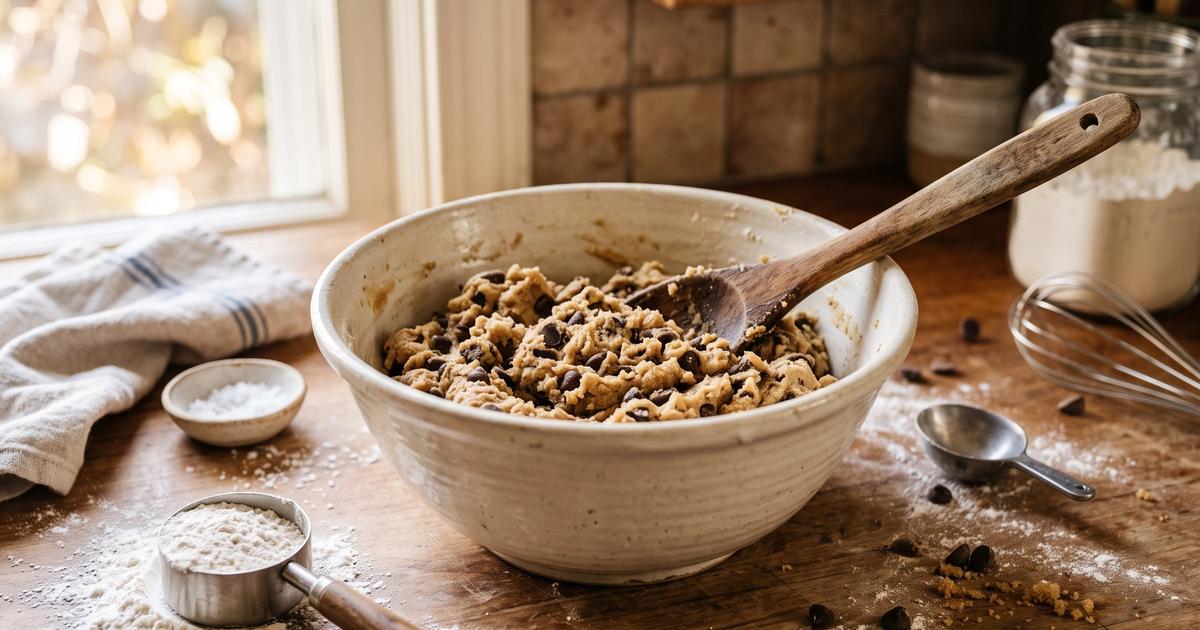
Eating a bit of uncooked cookie dough during the process of making cookies seems like a harmless tradition most people have been doing since childhood. The real danger is one bacterium, Salmonella, and if you really understand how it works, you'll realize why it's not as benign as it sounds.
Why Cookie Dough Specifically Is a Problem
There are two separate ingredients in raw cookie dough that can be a problem. Salmonella can contaminate raw eggs within the developing yolk or when bacteria on the egg shell come into contact with the egg during cracking. The other, less obvious but equally real risk is that raw flour also carries a documented Salmonella risk: flour is an unprocessed agricultural product and hasn't undergone a step to eliminate bacteria the way baking does. That's the reason food safety guidelines caution against raw eggs and raw flour in the same product, even in "egg-free" cookie dough.
How Salmonella Gets Into Eggs In The First Place
Salmonella usually enters a chicken's digestive system without causing the bird to appear sick, and can spread through the rest of the chicken's body from there. It can reach eggs either by contaminating the shell through contact with feces, or by penetrating the yolk during egg development. The same contamination can spread to other animals and crops on farms that aren't hygienically managed, which is part of why some Salmonella outbreaks trace back to produce instead of meat or eggs directly. Chicken meat itself can also pick up intestinal Salmonella during processing. The bacteria is remarkably hardy and can survive extremes of cold, wet, and dry conditions throughout this entire journey from farm to kitchen.
What Happens Once Salmonella Reaches the Human Body
After being ingested, Salmonella has to withstand stomach acid, which kills most bacterial invaders. Salmonella cells can actually sense the acidic environment and respond by producing acid shock proteins, molecules that protect the bacteria long enough for it to reach the intestines.
Once in the intestine, immune cells move to kill Salmonella, but the bacterium has built-in sensors that detect this immune response. Its genome contains clusters of genes called pathogenicity islands, which instruct it to build a needle-like injection structure. This structure pumps proteins into gut cells within seconds, causing those cells to physically reorganize and effectively swallow the bacteria whole. Once inside, Salmonella multiplies and spreads further.
Everyday items carry hidden risks most people ignore, including the science in How Inhalers Actually Deliver Medicine Straight To Your Lungs.
Why Symptoms Like Diarrhea and Fever Happen At All
Invaded intestinal cells don't give in easily. Once the breach opens, they release cytokines, chemical signals that draw white blood cells into the area to attack the bacteria and infected cells. This immune response is directly responsible for the fever and abdominal cramping associated with Salmonella infection, and it also impairs the intestinal cells' ability to absorb water properly, which is why the illness usually presents as watery diarrhea.
It's an uncomfortable reaction, but it works. The inflammation typically resolves on its own, and most people clear Salmonella from their body within two to seven days without needing antibiotics. The exception is when dehydration risk is high, particularly in children and older adults, where medical treatment may be necessary regardless of how the infection would otherwise resolve.
A Rarer, More Dangerous Form
In rare cases, a specific and more virulent strain called S. typhi behaves very differently from the foodborne strains associated with eggs and poultry. Unlike other strains, which spread through chickens, S. typhi spreads person-to-person, primarily through poor sanitation and contaminated drinking water. It can hide inside immune cells, spread to other organs and tissues, and even travel through the blood. Typhoid fever, the disease it causes, still kills more than 100,000 people globally each year, though it remains uncommon in regions with reliable sanitation, and vaccines are available to prevent it.
A Personal Take On This
Truthfully, knowing all of this hasn't fully stopped me from occasionally licking the spoon while baking with my family. But understanding the mechanism by which Salmonella hijacks intestinal cells has made me think twice about handling raw eggs and flour, particularly around children or elderly family members, where something that could cause a weekend of cramps can turn into a hospital visit. Once you understand how it actually happens, the risk stops being just a warning label nobody reads.
How To Actually Reduce The Risk
Simple food safety measures go a long way: washing hands before and after handling raw eggs or flour, avoiding unpasteurized milk, and cooking meat and eggs thoroughly enough to destroy any bacteria present. For anyone who genuinely wants the cookie dough experience without the risk, heat-treated flour and pasteurized eggs are both available commercially and remove the two main sources of contamination entirely.
The Bigger Picture Behind Food Safety Regulation
A major U.S. Salmonella outbreak was traced back to one company's long history of poor farming practices, bribery of health inspectors, and mislabeled egg products, which eventually led to prison sentences for company executives. Since that investigation, U.S. regulators have tightened oversight of farms. In parts of Europe, mandatory testing on farms and before products reach store shelves has measurably reduced contamination rates, showing this is a problem best solved at the source rather than something consumers alone can manage through kitchen habits.