General
How Smart Are Crows Really? The Science Behind Their Intelligence
Written by Fatima Batool
September 26, 2026
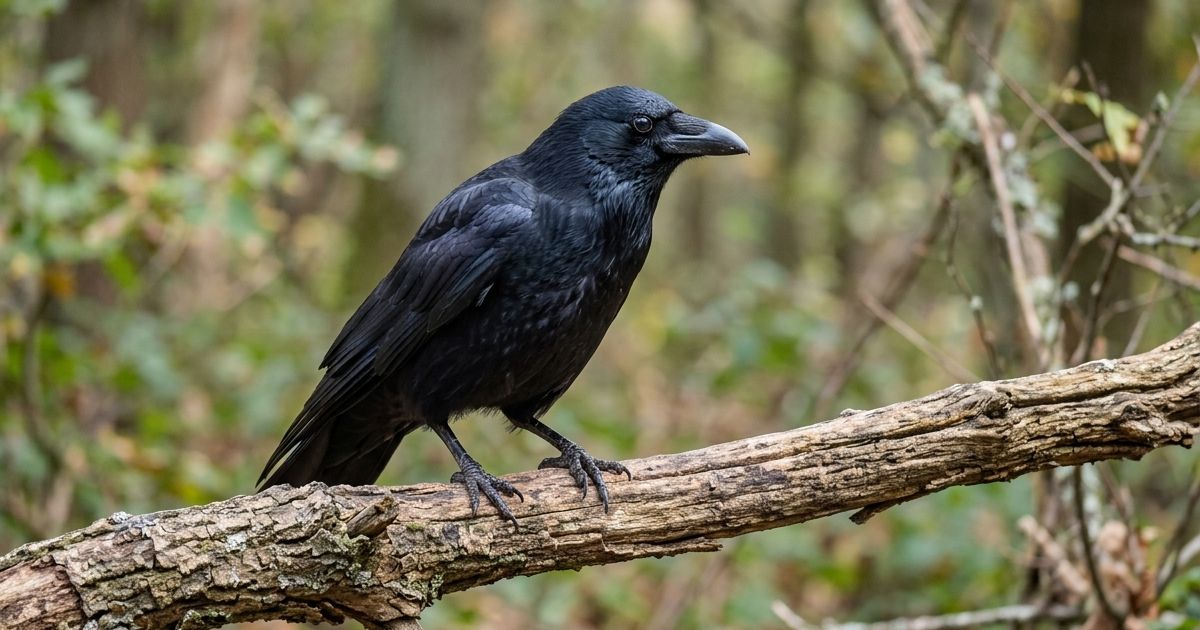
One popular old story tells of a thirsty crow that finds some water at the bottom of a pitcher, just beyond its beak's reach. The crow solves the problem by dropping pebbles into the pitcher, one by one, until the water level rises enough for it to drink. This has been regarded as a charming but fictional moral fable for centuries. In 2014, researchers actually tested the idea directly by placing a food reward in a tube partly filled with water and observing what crows would do. One by one, various crows dropped stones into the tube until the water level rose enough to bring the food within reach. The old story wasn't exaggerating.
The Bird Family Behind the Behavior
Crows belong to a larger family of birds called corvids, which also includes ravens, jays, and magpies. This experiment is just one of many documented behaviors from this family that have earned them a reputation among researchers as some of the most cognitively sophisticated birds on the planet.
How Corvids Handle Food Strategically
Stealing, Hoarding, And Remembering Thousands Of Hiding Spots
Food is handled strategically by corvids. They raid trash bins, steal food from other birds, and store surplus food for later use. One species, known for exceptional caching ability, is believed to scatter roughly 30,000 pine nuts across more than 2,000 separate hiding spots and can retrieve them more than nine months later.
Remembering What Was Buried and When
There's more to caching than simply tracking locations. In one experiment, birds given both perishable waxworms and non-perishable peanuts to cache retrieved the waxworms first and left the peanuts for later, suggesting they weren't just remembering where they'd hidden things, but also what they'd hidden and roughly when it needed to be eaten.
Planning Ahead for Future Scarcity
Even more striking, some experiments show these birds will cache food specifically when they already know it won't be available the next day, suggesting a level of planning that goes beyond simple habit or instinct.
Beyond Food: Social Memory and Recognition
Recognizing and Remembering Human Faces
Corvid intelligence extends well beyond meal planning. In one documented case, a person wearing a specific mask trapped and released a wild crow. When that same masked person returned later, crows attacked them. When a different mask was worn instead, the crows ignored the person entirely, suggesting these birds can recognize specific human facial features and remember them over time.
Behavior That Resembles Grief
Crows have also been observed gathering around the bodies of dead companions and calling loudly, a behavior some researchers have informally compared to a funeral gathering. In one study, crows returned to an area where a companion had been killed noticeably more slowly than usual, suggesting they had formed an association between that location and danger.
Other animals solve problems in ways we rarely appreciate, like the adaptations in The Anatomy Behind How Snakes Swallow Prey Larger Than Themselves.
Tool Use and Problem Solving in the Wild
Building Tools From Scratch
Some crow populations demonstrate genuinely remarkable tool use in entirely natural, wild settings. They've been observed shaping sticks into hook-like probes used to extract food from hard-to-reach places, a behavior requiring both physical manipulation skill and foresight.
Using Passing Traffic As A Tool
In an even more unusual case, some crows in Japan have been observed placing nuts directly on roads and waiting nearby before retrieving the cracked contents once passing vehicles have driven over them.
The Harder-To-Explain Behaviors
Collecting Objects for Unclear Reasons
Not all corvid behavior is easily explained. They've been seen carrying around small trinkets and objects, possibly as practice for caching, or perhaps as something resembling gifts exchanged between mated partners.
Play That Looks Suspiciously Like Fun
Some have also been observed repeatedly sliding down rooftops on plastic lids, seemingly for no functional purpose at all. This kind of play behavior occurs fairly commonly in corvids and is thought to help build the cognitive foundation they rely on later in life. Corvids also have a notably long developmental period compared to other songbirds, which supports the idea that extended play and learning time contributes to their intelligence as adults.
Why Social Life May Drive Their Intelligence
Some researchers argue this level of cleverness is closely tied to how socially complex corvid life actually is. They breed cooperatively, form large and dynamic social groups, share food, and work together to mob potential predators. Some corvids form lifelong bonds, recognizing specific partners over time and tracking, responding to, and in some cases even anticipating their partner's behaviors and needs.
A Personal Take On Watching Crows
I used to think crows hanging around a parking lot or picking through trash were just pests, the kind of bird you shoo away without a second thought. Reading about the mask experiment in particular made me rethink every crow I've passed by a dumpster or construction site. There's something humbling about realizing a bird you barely notice might be quietly cataloging your face for future reference. It's changed how I look at the crows outside my window in the mornings, less like background noise and more like neighbors who are paying closer attention than I am.
How Scientific Opinion On Crow Brains Has Changed
Scientific opinion on corvids has shifted significantly, and they're now widely considered among the most intelligent animals studied. One late 19th-century researcher compared primate and crow brains and concluded crow brains were primitive, with little real intelligence behind them. That interpretation of the evidence turned out to be wrong. A raven's brain looks structurally quite different from a capuchin monkey's brain, and is roughly a third of its size, yet both animals have a comparable number of neurons in the pallium, the brain region most closely associated with cognition. Corvid brains developed along a completely different evolutionary path than primate brains, but that path still produced a genuinely sophisticated cognitive ability.
Why This Matters Next Time You See One
The next time a crow passes by, it's worth remembering there's likely more going on behind that watchful gaze than instinct alone. Just don't give it a specific reason to remember your face.