Health
How Inhalers Actually Deliver Medicine Straight To Your Lungs
Written by Fatima Batool
September 23, 2026
A famous novelist completed his most famous novel in a cork-lined room in the early 20th century, designed to keep it a safe space for him to sleep in because of his severe asthma and the lack of effective treatment at the time. As his breathing became more difficult, he would burn powders that filled the room with smoke, or smoke a doctor-recommended cigarette designed as an asthma remedy. A plant compound commonly found in thorn apples can open airways, but the smoke from these remedies also introduced damaging toxins directly into the lungs, toxins now proven to cause cancer. Today there is no such risk, as inhalers provide the same therapeutic relief through simple devices that deliver medicine directly to where it is needed.
What Happens In The Lungs During An Asthma Or COPD Episode
The main conditions inhalers are used to treat are asthma and chronic obstructive pulmonary disease (COPD). Understanding how these devices work begins with understanding normal breathing. Air moves through passages called airways (bronchi), which lead to tiny sacs (alveoli) where red blood cells pick up the oxygen the body needs.
In asthma, the muscles around these airways can contract, the lining of the airways may become inflamed, and the lungs may increase their production of mucus meant to catch dust and germs. Combined, these changes constrict the airways and make it hard to breathe out. COPD is an umbrella term for the most common types of breathing problems, most often emphysema and chronic bronchitis, and most people with COPD have both. In emphysema, repeated exposure to smoke or irritating particles damages the inner walls of the alveoli, decreasing the surface area available for oxygen to enter the bloodstream and leading to chronic shortness of breath. In chronic bronchitis, the lining of the airways becomes inflamed and generates excess mucus in response to smoke or dust, while the tiny hairs that normally help move mucus out of the airways become damaged, letting mucus build up and block airflow further.
Rescue Inhalers Versus Preventative Inhalers
Inhalers are typically one of two types. Rescue inhalers are used during an asthma attack or a COPD flare-up for quick relief, relaxing tight airway muscles and making breathing easier within minutes. These bronchodilators are short acting, generally lasting around four hours, and using them too often on a regular basis can actually be harmful rather than helpful.
Preventative inhalers are different, used every day to prevent symptoms before they start rather than respond to them. They usually include a corticosteroid to reduce chronic airway inflammation, along with a long-acting bronchodilator. Bronchodilators used in COPD patients fall into a class of chemicals related to the compounds found in thorn apple, the same plant once burned as a desperate remedy over a century ago. These medicines work by blocking the nerve signals that make airway muscles contract, and since those same nerve signals also seem to drive excess mucus production, the medicine can help keep airways clearer as a secondary effect.
The body's systems are full of similar mechanical precision, explained in The Biology Behind How Long Human Hair Can Actually Grow.
How Different Inhaler Types Get Medication Into Your Lungs
The basic role of every inhaler is to convert medicine into an aerosol, a fine mist that can travel directly into the lungs, and different inhaler types accomplish this in different ways.
Dry powder inhalers rely on the force of a person's own breath to disperse the powdered medicine. Nebulisers work differently, producing tiny particles of liquid medication using ultrasonic vibration or compressed air, creating a mist that can be inhaled over a longer period, often used by people who have difficulty coordinating a quick, deep inhale.
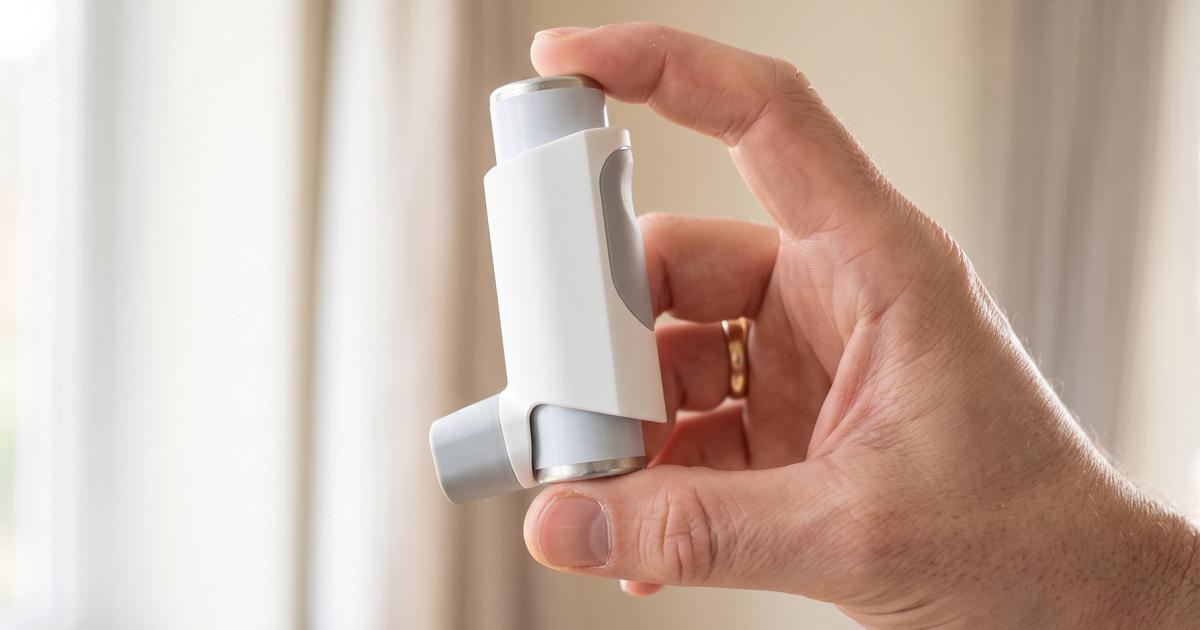
The most common type currently in use is the pressurised metered-dose inhaler, which works much like an aerosol hairspray can. The drug is dissolved in a pressurised liquid called a propellant and released as a spray when the inhaler is pressed. Because this fast release can be tricky to time with breathing in, a newer alternative called a soft mist inhaler was developed to release medicine at a slower rate without using a propellant at all, making timing easier for many users.
Why This Matters
Every year, hundreds of millions of people worldwide are affected by asthma and COPD. What once required a writer to confine himself to a completely sealed, allergen-free room and breathe in smoke from burning herbs can now be treated in a matter of seconds, with modern inhalers causing only a fraction of the harm once caused by the smoke-based treatments meant to relieve the same symptoms.