General
Six Disasters That Happened Because Of One Preventable Mistake
September 4, 2026
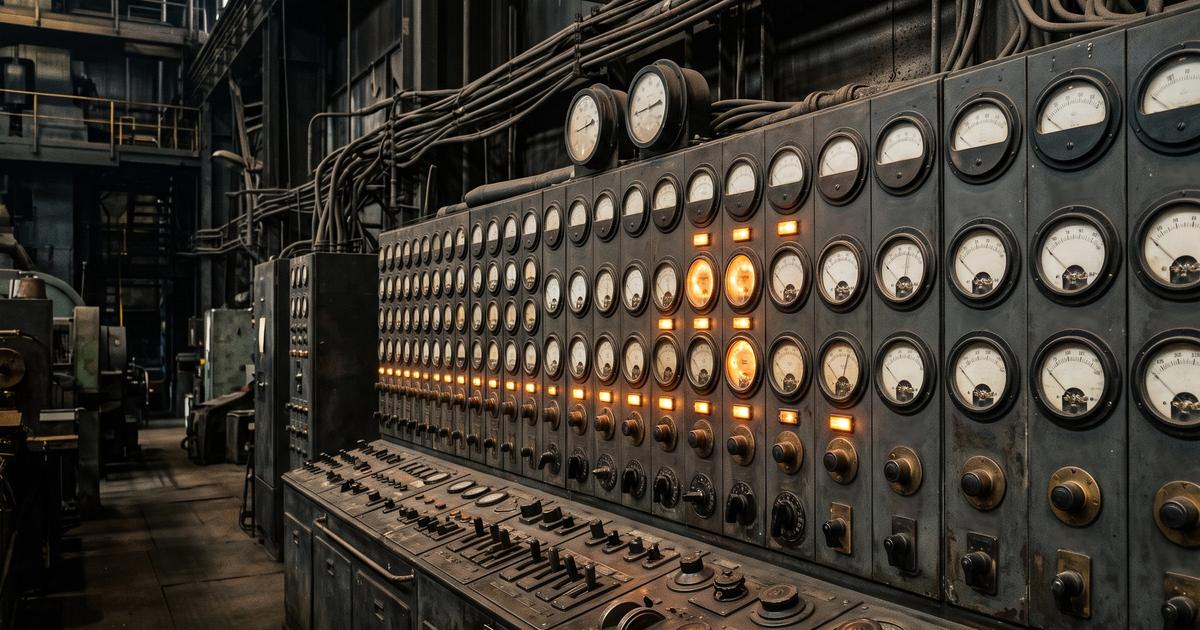
Some of history's most terrible catastrophes are not caused by nature or destiny but rather by human error. Someone made a fatal choice, often in seconds, with repercussions they didn't foresee. Here are six documented cases in which human error led to catastrophic results.
A Safety Test Caused The Chernobyl Meltdown
In 1986, engineers at the Chernobyl nuclear plant in Ukraine performed a planned safety test to check how the cooling pumps would perform during a power failure. A series of mistakes in the test procedure caused the reactor to explode, releasing an estimated 400 times the radiation from the atomic bomb dropped on Hiroshima. The fallout affected more than five million people, and the nearby town of Pripyat was evacuated and has remained an abandoned ghost town since the disaster.
A Missed Approval Step Doubled A Structural Load
While building the Hyatt Regency hotel in Kansas City, a contractor proposed an alternative approach to hanging the walkways in the structure as a way to save money. The change was approved by a junior engineer, who failed to seek advice from the senior engineer who would normally have reviewed it, and the change ended up doubling the load on the connecting rods. In July 1981, the hotel was open and a dance was in progress in the lobby when the walkways collapsed onto the people below. The incident was the first time U.S. engineers lost their licenses because of construction negligence.
An Exhausted Crew Missed A Reef In Alaska
In 1989, the oil tanker Exxon Valdez ran aground on a reef in Alaska, releasing about 11 million gallons of crude oil into the surrounding waters. During a crucial period, the captain left the ship's bridge and handed navigation over to a first officer who was not yet experienced enough for those waters. The exhausted crew failed to make the necessary course correction, and the affected marine ecosystem continues to recover from the damage even decades later.
A Door That Opened The Wrong Way Killed Over 180 Children
In 1883, over 1,000 children were left in awe at a magic act in Victoria Hall in England. Towards the end of the show, the performer tossed small toys into the audience near the stairs, and kids scrambled toward the stairwell exit to grab them. The exit door at the bottom of the stairs opened inward rather than outward, and the crush of children pushing from behind made it impossible for the ones at the front to open it. In the ensuing crush, over 180 children were crushed to death. This single design error is why public buildings today, such as hospitals and schools, are required to install outward opening push bar exit doors.
A Panicked Overnight Decision Nearly Caused A Full Nuclear Meltdown
In March 1979, at the Three Mile Island nuclear plant in Pennsylvania, overnight shift personnel were left facing a confusing display of alarm signals on the control panel with no senior engineers available to help interpret them. Under pressure, the crew made the decision to turn off the plant's emergency cooling system, exactly what the situation didn't need. By morning, the reactor core had already climbed past 4,000 degrees Fahrenheit, and residents of surrounding towns were evacuated before workers realized the core needed water pumped back in to stabilize the heat.
A Fatigue Related Crash Caused Britain's Worst Rail Disaster Of The 21st Century
A driver named Gary Hart, who had stayed awake all night, fell asleep at the wheel and drove his car off a highway and down an embankment directly onto a railway line in February 2001. A passenger train crashed into the vehicle and derailed, and a second train then collided with the wreckage. A total of 10 people were killed in the accident, and Hart was sentenced to five years in prison as a result.
The Common Thread
In none of these six disasters was there a single reckless act equal in scale to the final outcome. Each began as a narrow decision, an engineering change that was never checked, a door installed in the wrong direction, a night without sleep, and combined with existing weaknesses in design or procedure to produce consequences far worse than the initial error. Many of these events directly led to changes that are still built into safety codes and regulations today.