General
Real Places On Earth Where Humans Are Strictly Forbidden
Written by Fatima Batool
October 5, 2026
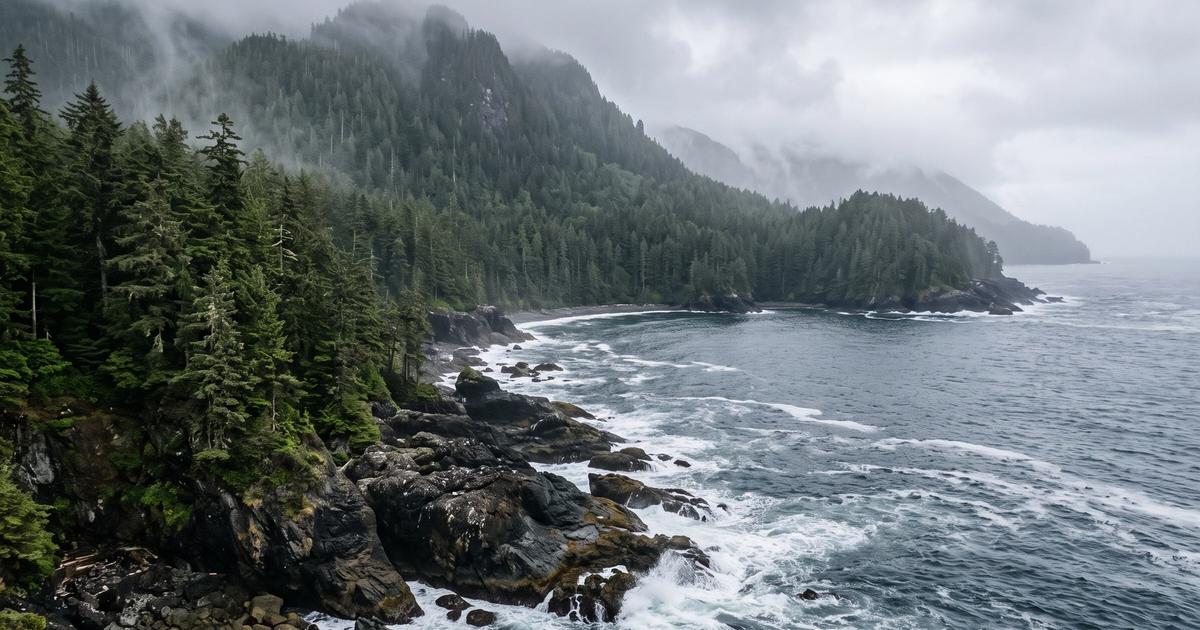
Restricted places turn out to be exaggerated once you look closely. These seven are different. Each one is genuinely off-limits, whether by law, by danger, or by a tribe that has made its wishes violently clear.
An Island Where Contact Has Meant Death
The Sentinelese and Total Isolation
North Sentinel Island sits in the Bay of Bengal. It is home to the Sentinelese, one of the last uncontacted tribes on the planet. They have lived in near isolation for an estimated 60,000 years and have met nearly every outside contact attempt with violence. In 2006, two fishermen who drifted close were killed. In 2018, a man who illegally traveled to the island was also killed.
Why The Government Enforces The Ban
The Indian government has established a 5-kilometer exclusion zone around the island, and visiting is an offense. Rather than attempting further contact, officials have concluded the Sentinelese have the right to remain fully isolated, making this one of the only places on Earth where modern civilization has no foothold at all.
A Vault Built To Survive The End Of Agriculture
Humanity's Backup Plan for Food
Buried inside a mountain on an Arctic island, the Svalbard Global Seed Vault holds over one million seed samples from nearly every country on Earth. The vault sits 1,300 kilometers from the North Pole, and while the surrounding area is accessible, the vault's interior is strictly limited to authorized depositors following strict protocols.
The Only Withdrawal In Its History
During the civil war, researchers from a seed bank in Aleppo successfully retrieved seeds they had deposited years earlier, the only withdrawal the vault has ever recorded. That single event demonstrated why the facility exists and why it remains sealed against almost everyone else.
If you think these bans are strange, wait until you read about Real Places So Strange They Sound Made Up.
Caves Sealed to Save 17,000-Year-Old Art
Paintings That Nearly Vanished From Tourism Alone
A cave system in France contains Paleolithic paintings roughly 17,000 years old depicting horses, deer, and bulls in extraordinary detail. After opening to the public in 1948, the carbon dioxide and humidity from thousands of visitors began damaging the paintings, with algae and fungi growing on walls that had survived 170 centuries untouched.
Why Even Researchers Rarely Enter Now
The caves were permanently sealed in 1963, and today only a small number of conservators are permitted monitoring visits. Tourists can visit a built replica nearby, but the original caves remain locked away, likely for good.
A 110-Acre Island Covered In One Of The World's Deadliest Snakes
A Genuine Density of Danger
An island off the coast of Sao Paulo is home to between 2,000 and 4,000 golden lancehead vipers, among the deadliest snakes on Earth, with roughly one snake per square meter in some areas. Their venom is powerful enough to damage tissue rapidly.
Why Civilians Are Banned
The Brazilian government has completely banned civilian access. Only researchers with permits are allowed to visit, and even they take extreme precautions. The navy periodically patrols the surrounding waters specifically to prevent anyone from attempting to land.
A Radioactive Zone That Will Stay Dangerous For Millennia
What's Left Beneath Chernobyl's Reactor
While parts of the Chernobyl area now allow supervised tours, the inner 10-kilometer exclusion zone around reactor 4 remains strictly forbidden since radiation levels there are still high enough to be lethal within hours of prolonged exposure.
A Danger That Outlasts All Of History
Beneath the structure now covering the exploded reactor sits a mass known as the elephant's foot, a combination of molten nuclear fuel, sand, and concrete so radioactive that it will remain dangerous for an estimated 20,000 more years, making this one of the longest-lasting forbidden zones ever created by a single event.
An Emperor's Tomb Still Unopened After Over 2,000 Years
What Ancient Records Claim Is Inside
Near Xi'an, farmers accidentally discovered the Terracotta Army in 1974, thousands of life-sized clay soldiers guarding the tomb of China's first emperor. The actual burial chamber itself, however, has never been opened. An ancient historian wrote that the tomb contains rivers of mercury and booby traps, and modern soil testing has confirmed high mercury levels around the burial mound, lending credibility to the old account.
Why China Refuses To Excavate It
The Chinese government has declined to excavate the site, citing concerns that current preservation technology isn't advanced enough to protect what's inside once exposed to air. The tomb remains sealed, visible as a mound with its interior still a complete mystery to the modern world.
A Natural Stone Arch Closed To Protect It From Collapse
Why Walking On It Became Illegal
Europe's largest natural sandstone arch, a rock bridge in a national park, has been closed to foot traffic since 1982. Once a popular walkway with visitors posing on the bridge itself, geological surveys revealed the sandstone was eroding at a rate accelerated directly by foot traffic.
A Simple Tradeoff Between Access and Preservation
Authorities permanently banned access to the top of the arch, though it can still be viewed from below. Scientists estimate it could otherwise collapse within a century if foot traffic had continued, making the restriction a straightforward choice between short-term access and long-term preservation.
My Honest Take On These Places
What strikes me most reading through places like these is how different the reasons for exclusion actually are. Some are forbidden because humans are the danger, like the mercury-filled tomb or the radioactive zone. Others are forbidden because humans are the threat to something, like the cave paintings or the sandstone arch. I used to assume "forbidden place" mostly meant classified government secrets, but most of these bans exist for much more mundane and honestly more reasonable reasons than I expected: protecting ecosystems, protecting people, or respecting a culture's explicit wish to be left alone.
For more documented oddities that sound fake but aren't, see our piece on Twin Facts That Sound Fake But Are Completely Real.
Why These Places Matter
Each of these locations represents a kind of boundary humans have drawn around something irreplaceable, whether that's an isolated culture, an ancient artwork, or a site too dangerous to approach safely. None of them need exaggeration to be remarkable. The restrictions themselves tell a story about what we've decided is worth protecting, from ourselves.