Lifestyle
Bathroom Cleaning Methods That Cut Scrubbing Time In Half
Written by Fatima Batool
October 10, 2026
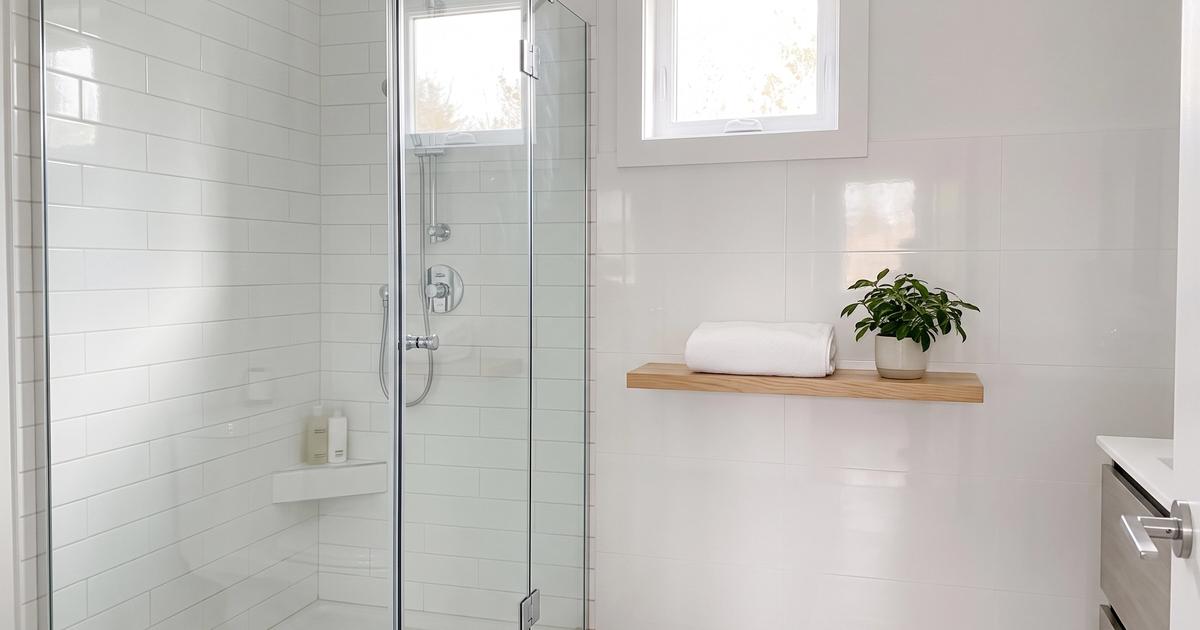
Bathrooms are tiny, and yet they collect a lot of grime. Soap scum, mildew, toothpaste crust, and wet towels all tend to pile up, and it’s hard to get rid of if you don’t clean it properly. The good news is that most bathroom messes can be solved with a few simple methods and habits, and you may find you don’t need a lengthy scrubbing session very often.
Let The Product Do The Work First
Why Pre-Treating Saves Effort
A great habit is to apply a cleaning product to a dirty surface and let it sit for a while before touching it. After spraying, wait 5 to 10 minutes, which gives the product time to soften the buildup so there is much less scrubbing afterward. The trick is to keep the surface wet, because if the product dries on the surface, it stops working. With tiles, this means spraying a good amount of solution and letting it sit while still soaking wet.
A Simple Tub and Tile Cleaner
Ceramic and porcelain tile can be cleaned with a basic cleaner made of equal parts dish soap and vinegar. Half a cup of each and a few drops of essential oil, if wanted, are plenty. Let it sit, then scrub with a non-scratch pad in an S pattern from top to bottom, rinse, and buff dry with a large microfiber cloth. For tall tiles, attaching the cloth to a mop is easier on the arms and shoulders.
How To Tell When Soap Scum Is Actually Gone
Using Touch Instead Of Sight
It’s easier to feel soap scum than to see it. Running a hand along the side of the tub lets you tell the smooth, clean areas apart from the gritty texture of leftover scum. This also tells you when it is safe to rinse, because rinsing before the surface is fully clean will just spread the residue around.
Cleaning the Tub Step by Step
Vinegar applied to a microfiber cloth works for light buildup. If the buildup is heavier, a spray made of equal parts vinegar and water with about 2 tablespoons of dish soap works well when sprayed generously and allowed to sit for several minutes. Always test in an inconspicuous area before using any scrubbing tool or baking soda on the surface. Don’t forget to clean the base of the tub, around the drain, and the outside of the tub, which many people skip.
The Squeegee Habit That Prevents Soap Scum Entirely
Why Soap Scum Forms In The First Place
Soap scum isn’t really just soap. It forms when dead skin cells, body oils, soap residue, and minerals from hard water collect on wet shower surfaces and dry in place as the water evaporates. A squeegee costing less than $10 removes the water before it dries and takes all the residue it carries along with it. This stops soap scum from forming in the first place, so far less scrubbing is needed.
Cleaning Grout Without Hours of Scrubbing
A Simple Whitening Paste
A paste of 2 parts baking soda to 1 part hydrogen peroxide can brighten discolored grout lines. Apply the paste to the grout, let it sit for 10 to 15 minutes, then scrub with an old toothbrush and rinse away. The combination whitens and brightens grout with very little effort.
Cleaning a Toilet More Efficiently
Start From The Top And Work Down
For toilets, begin with the lid closed and spray cleaner starting at the tank and moving down, covering the flusher, lid, seat, outside of the bowl, and base. Apply toilet bowl cleaner under the rim to treat hard water deposits, and spray an enzyme cleaner around the base to get rid of urine odors that have already set in. Paper towels avoid cross-contamination because they’re disposable, and a toothbrush kept just for bathroom jobs can reach dirty areas around the base.
A Homemade Toilet Bowl Cleaner
A good homemade option is half a cup of baking soda, half a cup of water, a quarter cup of hydrogen peroxide, a quarter cup of dish soap, and a few drops of tea tree oil in a squeeze bottle. Apply it under the rim and around the bowl, let it sit for a short time, scrub, and then flush.
Shower Curtains, Brushes, And Small Items Most People Forget
Washing a Plastic Shower Curtain
Shower curtains and liners made of plastic or vinyl can be washed in the washing machine with a couple of towels, which scrub the liner during the cycle. Use cold water, since hot water can melt the plastic, and add a cup of baking soda and about twenty drops of tea tree essential oil to help fight mold and mildew. Skip the dryer and hang them up to dry.
Cleaning the Toilet Brush and Toothbrush Holder
Toilet brushes should be sprayed with disinfectant and left to sit for 30 minutes to a couple of hours, then rinsed under hot water and left to air dry. Toothbrush holders collect bacteria because wet toothbrushes are placed in a dark, damp spot. Soaking the holder in a solution of dish soap and vinegar for up to an hour, then scrubbing and air drying, keeps it from building up grime.
Small Daily Habits That Keep Bathrooms Cleaner Longer
Stop Small Messes Before They Compound
It’s easy for little bathroom messes to pile up. Soap residue on counters turns into a sticky, cakey buildup that attracts dirt, and toothpaste hardens in a sink and collects hair. A quick wipe with a tissue or a damp microfiber cloth only takes seconds after use and prevents buildup. Placing shampoo bottles near the drain rather than on ledges lets surfaces dry out and reduces mold and mildew in damp areas.
How Often To Change Towels
Washcloths should be replaced after each use, since they pick up makeup and dead skin. Hand towels should be changed about twice a week because they’re touched often. Bath towels usually last about a week when they dry out completely between uses, and cotton terry towels that stay damp or start to smell should be changed sooner.
A Personal Take On Bathroom Cleaning
Cleaning the bathroom used to be my least favorite chore, partly because I would wait until it was really dirty and then it would take the whole afternoon. That changed once I got into the habit of using a squeegee and spraying surfaces to sit while I worked on something else. I realized I had been working harder than I needed to, scrubbing before the product had a chance to do anything. Now I spend a few minutes after every shower instead of an hour on the weekend, and the bathroom is noticeably cleaner for very little work. It’s a small shift in timing, but it took a lot of the dread out of the task.
Why These Methods Work Together
Most of these techniques are based on the same idea: prevent buildup instead of fighting it later. A squeegee stops soap scum, quick wipes stop crusty residue, and letting products sit does the work that scrubbing would otherwise do. Together, they turn bathroom cleaning from a long, occasional task into a few easy habits that keep the bathroom clean without much effort.